



Language Information:


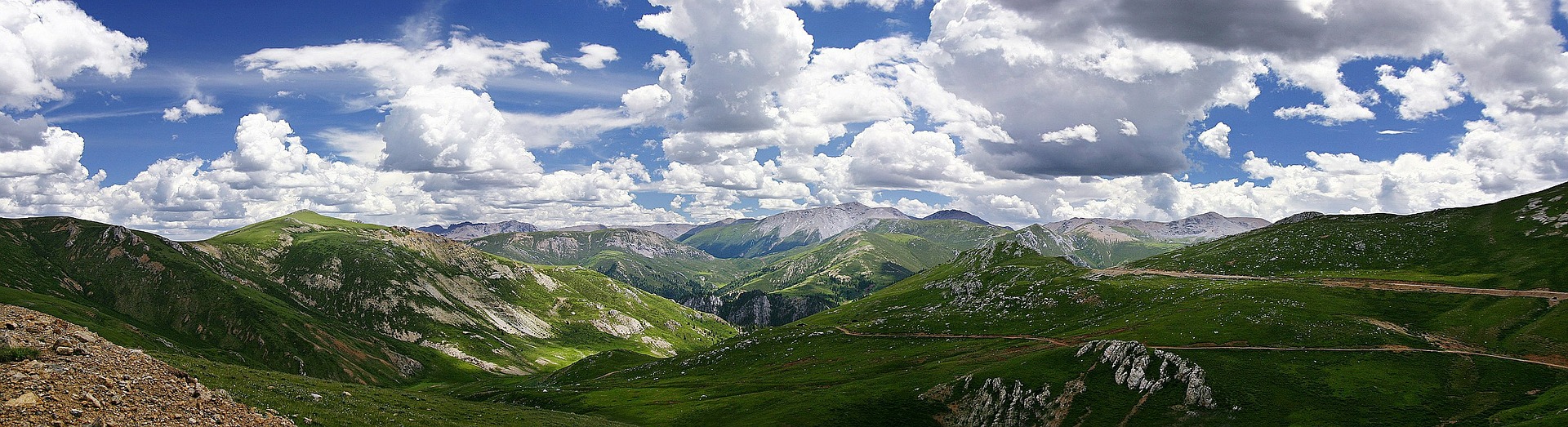
Tibet sits at an average height of 16,000 feet above sea level. This is higher than the highest peak in the Colorado Rockies which lends itself to the nickname, "The Roof of the World". In this extreme environment live six million Tibetans. Nomads herd yaks, an animal so well adapted to mountains that it won’t even breed below 10,000 feet. Farmers cultivate the valleys, merchants cross rivers on legendary bridges of iron chain, and monks chant in the monasteries.
Indiana University is one of the handful of American Universities that offer classes in the Tibetan language. Tibetan is offered through the Department of Central Eurasian Studies You can learn more about Tibet and IU's course offerings from the Inner Asian and Uralic National Resource Center.